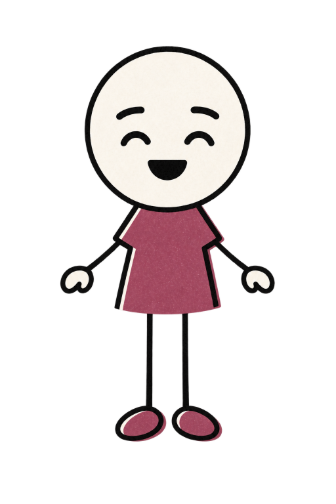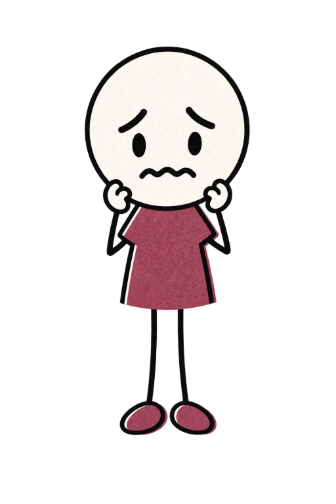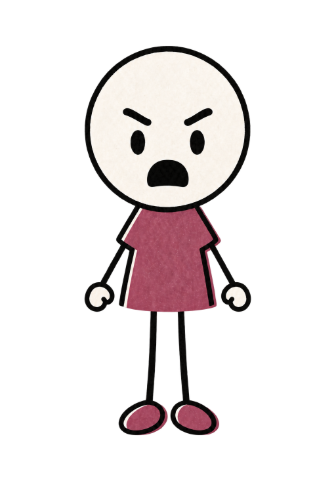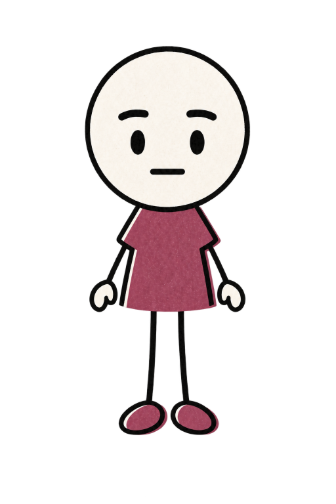
·

You were partway through. Your answers are still here.

For parents of kindergarteners

Conscious Discipline at Home

About forty-five minutes, in as many sittings as you like. What you write stays on this device.

Started on another device?

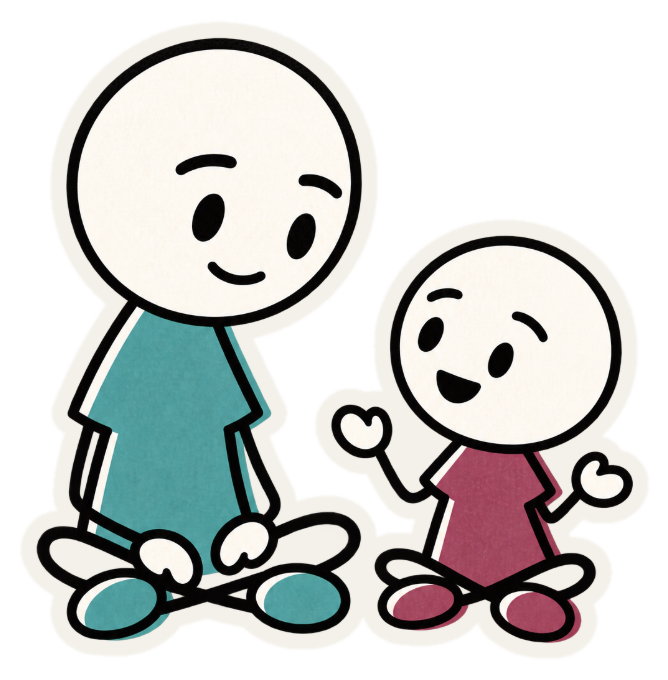
A parent and child sitting cross-legged on the floor. The child is telling a story with both hands up; the parent is smiling and listening.

An independent learning project. Not affiliated with, endorsed by, or reviewed by Conscious Discipline or Loving Guidance, Inc.
Created by Marc LeMay Design

7:40 a.m. · The bus comes in ten minutes

“NO! I’m NOT going to school!”

Five-year-old Maya throws her shoe across the rug. When you reach for her foot, she kicks your hand away.

We’ll work through this situation throughout the module. For now, just go with your gut. What you say here will be saved so we can come back to it at the end.

Coach says

Good start! You’ll meet this same morning again at the end, and I’ll be right there with you.

Conscious Discipline at Home

The approach your child’s school uses every day, brought home. Made by a parent, for parents. Nothing is graded, and nothing is reported to the school.

1 · Learn15 minHow to read the hard moments, and strategies for handling them. → 2 · Bring It Together10 minTwo new moments, worked through on your own, with the Coach. → 3 · Try It Out20 minThree everyday scenarios where you talk with a five-year-old and see how she responds. →

Click on theTap ?question mark at the top right to find , the terms from Learn and the words your child’s school uses, and , short lines for when you need something to say. Your saved place, and a code to pick up on another device, are under ithe i button.

Learn · About 15 minutes

Learn the skills

By the end of this section, you’ll be able to recognize your own brain state and your child’s, and learn some tactics for handling a rough situation.

We’ll work through the 7:40 morning you started with, in four parts:

  1. 1The three brain states model
  2. 2Your state first
  3. 3Your child’s state
  4. 4What their state needs

Learn · Done

Learn, at a glance

Go back to any part, or move on.

Tip

Anytime you feel stuck, or need a refresh on what the terms mean, you canRemember: if you feel stuck, or need a refresh on what the terms mean, you can clicktap at the top right to open up a glossary and a list of suggested phrases.

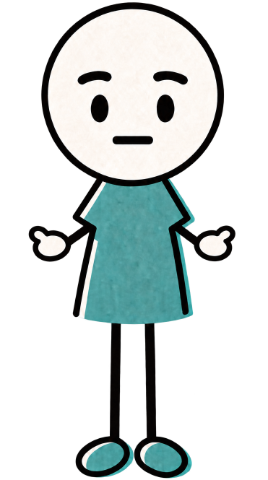
A parent standing, relaxed.

Part 1 · The three brain states model

Three brain states

How we deal with the world around us is governed, in large part, by which of three “states” our brain is in at a given moment. Each state comes with a different skillset. Conscious Discipline starts with working out which brain state you are in, followed by which state your child is in. Nothing works until we do that.

ClickTap the brain to learn about each state
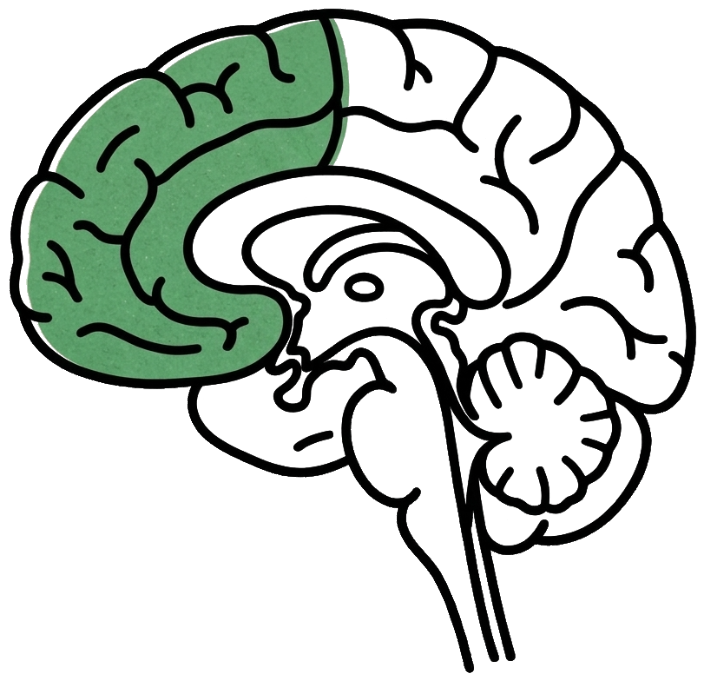
The brain, with the prefrontal lobes at the front colored green.

The Executive State

The higher-reasoning parts of the brain are active. Here we can think rationally, solve problems, and learn new skills.

Skillset: seeing more than one side, making reasonable choices, thinking critically about our own actions, setting long-term goals.
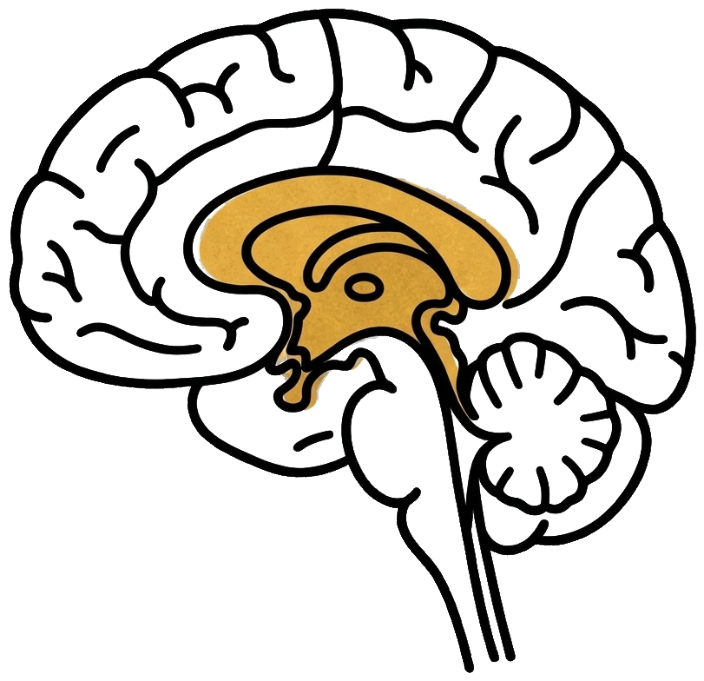
The brain, with the limbic system in the middle colored gold.

The Emotional State

Emotions are in control, and rational thinking is almost impossible. It draws on mental models learned through our upbringing and experience, rather than conscious thought.

Skillset: unconsciously accessing long-term memory, feeling emotions.

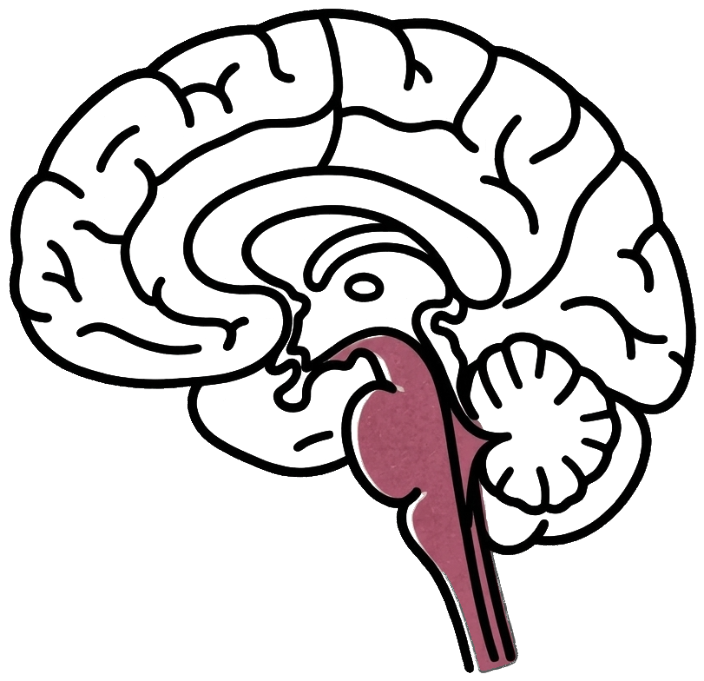
The brain, with the brain stem at the base colored red.

The Survival State

The oldest parts of the brain, working below awareness to keep us safe. Under stress, the brain drops here.

Skillset: fight, flight, or freeze (surrender). Nothing else.

Part 1 · The three brain states model

The drop

Under stress, anyone can drop a state, and it can happen fast, especially if you are at low capacity.

Capacity is your store of emotional and social energy. Yours can drain after a long day at work, or unbroken hours of childcare. Your child’s can drain just from holding it together all day at school.

ClickTap the animation to see what triggers a drop in each brain state.

The Executive State

At rest, you are calm and composed, ready to think and learn.

↓

The Emotional State

Drops to Emotional when: you feel unloved, left out, misunderstood, or frustrated; you’re going through a hard transition; or you’re running low on capacity.

↓

The Survival State

Drops to Survival when: you experience a real threat, or even an irritation that feels like one, or your capacity has run out.

Or scroll inside the box to read each state again.

Part 1 · The three brain states model

The way back up

The drop can skip straight to the bottom. The rise can’t. Our brains need different things at each state in order to step their way back up.

ClickTap the animation to see what triggers a rise from a brain state to the one above it.

The Executive State

Problem Solving: now you’re ready to listen, think, and learn. This is where limits and new skills can land.

↑

The Emotional State

Connection: while in this state, empathy, breathing together, and naming your feelings help you connect with others and with your higher brain functions, moving you up into the Executive State.

↑

The Survival State

Safety: until you feel physically and emotionally safe, you can’t process emotions, understand a limit or a consequence, and you can’t learn. A sense of safety allows your brain to move up and start feeling emotion.

Or scroll inside the box to read each state again.

Next: how to recognize your own brain state in a tough moment.

Part 2 · Your state first

Your state first

Your child reads your state before your words reach them. So the first state to recognize is your own. Here’s how each one tends to show up in a parent.

ClickTap the parent to see how each state shows up
A calm parent.

The Executive State

A calm, composed body and voice. You can listen, see their side, and think about what comes next.

A frustrated parent.

The Emotional State

Blame, lectures, sarcasm, keeping score. “You always…” Sometimes we sound like the adults who raised us.

An overwhelmed parent.

The Survival State

A tense body and a raised voice, fists clenched, jaw tight. Words you know you’ll regret later. Or the opposite: going quiet, giving up, just wanting it over.

Part 2 · Back to 7:40 a.m.

7:40 a.m.: what happens in you?

The bus is ten minutes out. Maya screams, “NO! I’m NOT going to school!” The shoe hits the wall, and when you reach for her foot, she kicks your hand away.

When the shoe hit the wall, what happened in you first? Pick the one closest.

Coach says

Whatever you picked, it isn’t a grade. A bus, a shoe and a kick are enough to drop anyone. That’s why the next step is so important.

Part 2 · Your state first

Composure

Composure is self-regulation, and it starts with you. You need to be back in your own Executive State before you can help your child reach theirs. Without composure, nothing else lands.

It starts with one deep breath, from the diaphragm: in for a few seconds, then out for a few. It’s the quickest way to bring your reasoning back online. Your child learns these kinds of breaths at school, and practices them every day.

Ready when you are.

An overwhelmed parent.

Next: how to recognize your child’s state.

Part 3 · Your child’s state

Your child’s state

Reading your child’s state starts with empathy: understanding, without judgment. You’re looking for what they feel, not trying to stop it. Each state shows up in a child in its own way, and each one is asking a question. Read below to see signs and behaviors to look for to figure out your child’s state.

ClickTap the child to see how each state shows up
A child, calm and ready to talk.

The Executive State

“What can I learn?”

A calm body and voice. Not necessarily a happy voice, but one ready to listen, ready to talk about what happened, and hear your side.

An upset child.

The Emotional State

“Am I loved?”

This one shows up mostly in words. Blaming, name-calling, “you never,” denying it happened, pulling away from you.

An overwhelmed child.

The Survival State

“Am I safe?”

Fight: hitting, kicking, biting, screaming, tantrums. Flight: running off, hiding. Freeze: going limp, crying, giving up, or going along without taking anything in.

Coach says

Remember, your child only has so much emotional and social capacity to give at a time. Getting ready for school after a rough night’s sleep, holding it together for their teachers all day, or simply having to make lots of decisions can drain their battery. Drained, they’re much more likely to drop a state.

Part 3 · Back to 7:40 a.m.

7:40 a.m.: which state is Maya in?

The same moment, from her side. She screams, “NO! I’m NOT going to school!” Her shoe hits the wall. When you reach for her foot, she kicks.

Pick her state:

What told you?

Coach says

Next: what each state needs from you, starting at the bottom.

Part 4 · What their state needs

The Survival State: safety first

Few things are harder as a parent than keeping cool when your child is screaming, hitting, or running away. But in the Survival State, their body is asking, “Am I safe right now?” If their body is telling them it’s not, then no pushback will land, no limits will be heard, and no rules can be taught.

Once you’ve figured out your own state and determined that your child is in Survival, there are four moves that will help them rise a level. ClickTap the arrows below to learn about each one.

Move 1 of 4

Compose Yourself

Catch yourself before your voice goes up. Deep belly breaths. Say to yourself: “I’ve got this. I’m the parent, they need me. Getting angry and yelling back won’t do any good right now.”

Move 2 of 4

Make It Safe

A limit is the line around what’s OK. Stop anything that is physically dangerous, and state only limits that keep the danger from continuing: “I won’t let you kick.”

Move 3 of 4

Describe the Scene

Calmly say what’s going on with your child’s body and words. No judgment here, just say what you see. This is the first step to connection, and you might be surprised at how well this disarms your child and makes them feel seen: “I see your face is all in a scowl, you’re crying, and your legs are in the air.”

Move 4 of 4

Breathe Together

Ask your child to teach you a deep belly breath they learned at school, then do it together. If they’re not quite ready for that, keep breathing yourself, and encourage them through your actions to breathe with you.

Coach says

No parenting move is 100% effective every time, and sometimes you just won’t have it in you to perfectly handle yet another situation. But be patient! Building a culture of empathy and connection in your own home takes time, and it’s never a straight line.

A parent and child breathing together.

Part 4 · Back to 7:40 a.m.

Back to 7:40 a.m.: mid-kick

Say you’ve taken a breath, and she’s still kicking. Here are two lines a parent might say next. Is each one helpful or hurtful?

Part 4 · What their state needs

The Emotional State: connection

The kicking has stopped, but now she drops to the rug, sobbing, “You NEVER listen to me. These shoes feel WEIRD.”

In the Emotional State, your child may seem calmer. But now their brain is being controlled by their emotions, and their brain is asking, “Am I still loved?” Those big feelings are going to get in the way of any kind of self-reflection or lessons we want to teach. So here, they need connection. They need to feel understood, know that they are loved, and that they have a say in what happens next. ClickTap below to see a couple ways to create that connection.

Move 1 of 2

Name the Feeling

Instead of asking what they feel, or why they’re upset, name it and check: “You’re trying to tell me the shoes feel wrong, and I’m not hearing you. It must be frustrating to feel that way. Do I get you?”

This is a quick way to show that you empathize and aren’t judging them. There’s no such thing as a “wrong” feeling. Naming the feeling shows them that it’s okay to be feeling it.

Move 2 of 2

Give Two Options

Two positive ways out, both within your stated limit. They get a say in how they move forward, but don’t get to move the limit: “We still have to catch that bus. Sneakers or boots? You pick.”

Coach says

The empathy you show your child in this moment also needs to be turned back on yourself. Name your own feelings internally, and be kind to yourself.

A parent holding out two pairs of shoes.

Part 4 · Back to 7:40 a.m.

Back to 7:40 a.m.: the sobbing

She’s stopped kicking and is crying on the rug. Here are two lines a parent might say. Is each one helpful or hurtful?

Part 4 · What their state needs

The Executive State: now you can solve it

She sniffs, nods, says, “OK, I’ll pick the boots.” Now she’s ready to listen and think. Now is the time to teach. ClickTap below to see what you can do next.

Move 1 of 3

The Missing Skill

Unwelcome behavior often comes from a missing skill: a safe way to handle a problem. Teach it now, not mid-kick.

Move 2 of 3

Limits for Next Time

Now she can learn a limit that helps next time: “Kicking hurts. When shoes feel wrong, you can say, ‘Help me.’”

Move 3 of 3

Problem Solving

Work it out together: “Those shoes felt weird this morning. What could we try tomorrow?”

A child, calm and ready to talk.

Part 4 · What their state needs

The whole picture

Recognize your state, then theirs. Then climb from the bottom, one state at a time.

The Executive State “What can I learn?”

The Missing Skill, Limits for Next Time, Problem Solving.

The Emotional State “Am I loved?”

Name the Feeling, Give Two Options.

The Survival State “Am I safe?”

Compose Yourself, Make It Safe, Describe the Scene, Breathe Together.

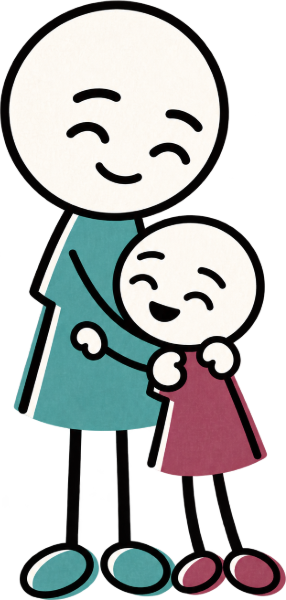
A parent and child, standing, in a hug.

Next: Bring It Together, two new moments to try on your own.

Scenario 1 of 2 · At the checkout

“You NEVER get me ANYTHING!”

It’s 5:30 p.m. Maya has had a full day at school, then her ballet class. She’s been fine all afternoon. Now, at the grocery store checkout, she’s shouting for a chocolate bar. A woman behind you in line is watching, and you can feel the words coming: “We’re leaving right now! And you’ve lost your screen time.”

Work through it the way Learn did: you first, then her, then what she needs.

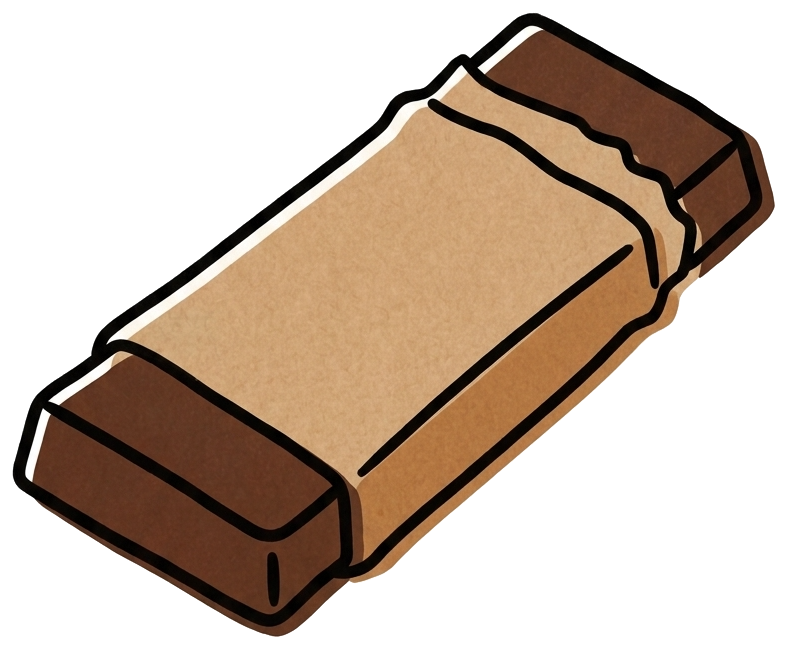
Maya at the checkout, reaching for a chocolate bar.

Scenario 2 of 2 · At the playground

“Okay, five minutes. Great, thank you!”

You’re at the playground with Maya. She’s on the climbing frame, laughing with a friend. You call over that she has five more minutes to play, and then it’s time to go. She calls back, “OK, five minutes. Great, thank you!” and goes off back to her game, smiling and laughing.

Read her as the scene unfolds.

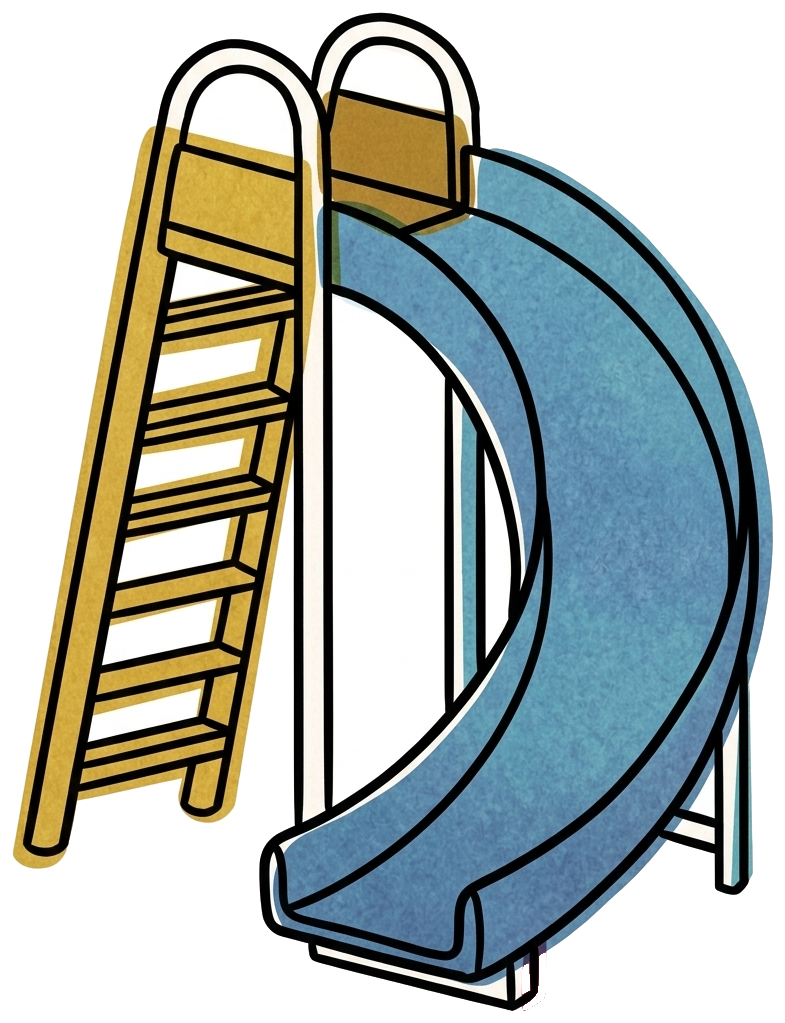
Maya at the top of the slide, laughing.

Bring It Together · Look back

Back to 7:40 a.m.

Back to 7:40 a.m.

At the very start, before Learn, you met Maya at 7:40 a.m. She was in the Survival State then. Here’s what you wrote then, and how you closed each scenario since.

At the very start, before Learn, you met Maya at 7:40 a.m. She was in the Survival State then. You skipped past it then, but now you’ve gotten a chance to practice what you’d say to a child in that state.

Then, at 7:40 a.m.

Now, at the checkout

Now, at the playground

Coach says

Three moments, different brain states, and you read them all. You, then her, then what she needs. Next, you’ll try it out loud with Maya.

Maya, smiling.

Scenario 1 · Screen time

It’s time to stop

After dinner. Time for bath and bed. Maya has been on the tablet for forty minutes, and you originally told her she had only thirty. Say what you’d really say. You get three replies.

Preview · double-tap to keep · Shift-click to add another

Coach says

    Coach says

    Scenario 2 · The pickup line

    “Not YOU!”

    The pickup line, 3:15. You’re parked with the engine running, and Maya climbs into her car seat. Say what you’d really say. You get three replies.

    Preview · double-tap to keep · Shift-click to add another

    Coach says

      Coach says

      Scenario 3 · The shoes

      The bus comes in ten minutes

      7:40 a.m., the morning from the very start of the module. This time, say it to her. You get three replies.

      Preview · double-tap to keep · Shift-click to add another

      Coach says

        Coach says

        “NO! I’m NOT going to school!”

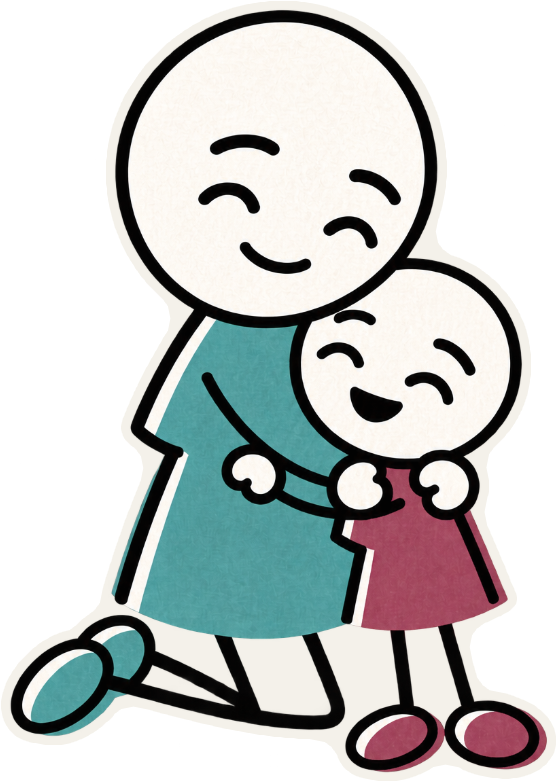
        A parent kneels and hugs their child. Both are smiling with their eyes closed.

        An independent learning project. Not affiliated with, endorsed by, or reviewed by Conscious Discipline or Loving Guidance, Inc.
        Created by Marc LeMay Design

        Help

        Your place is saved.

        This module remembers where you are and everything you have written. As long as you use the same device and browser, you can close the module and come back to it. Nothing is sent anywhere: the scoring runs on your own computer, so what you type never leaves it, and nothing is reported to the school.

        Using a different device?

        Email yourself a link and open it on your phone or laptop. Or copy this code and paste it on the module’s first screen, under “Started on another device?”

        Want a fresh start?

        This clears everything you have written on this device. It cannot be undone.

        What the words mean

        The terms from Learn, then other words your child’s school uses, in plain English, most with a phrase you can actually say.

        Words for a hard moment

        Twenty-three short lines for when you need something to say right now.

        Nobody is grading you

        There is no pass mark, cumulative score, or report. You will receive feedback as you go, and you can retake anything as many times as you like.

        “But what if my child is the one being hurt?”

        This module is about teaching a skill over time. It never means leaving a child unprotected. If someone is being hurt, stop it first, physically if you have to. The teaching comes later, once everyone is calm.

        The terms Learn teaches, then other words your child’s school uses. Plain English first, most with something you can say.

        Press ?the question mark key for this panel, and i for About this module. Press R for words to try, once you are practicing.

        An independent learning project. Not affiliated with, endorsed by, or reviewed by Conscious Discipline or Loving Guidance, Inc.

        Created by Marc LeMay, instructional designer and real-life dad of a 5-year-old.